

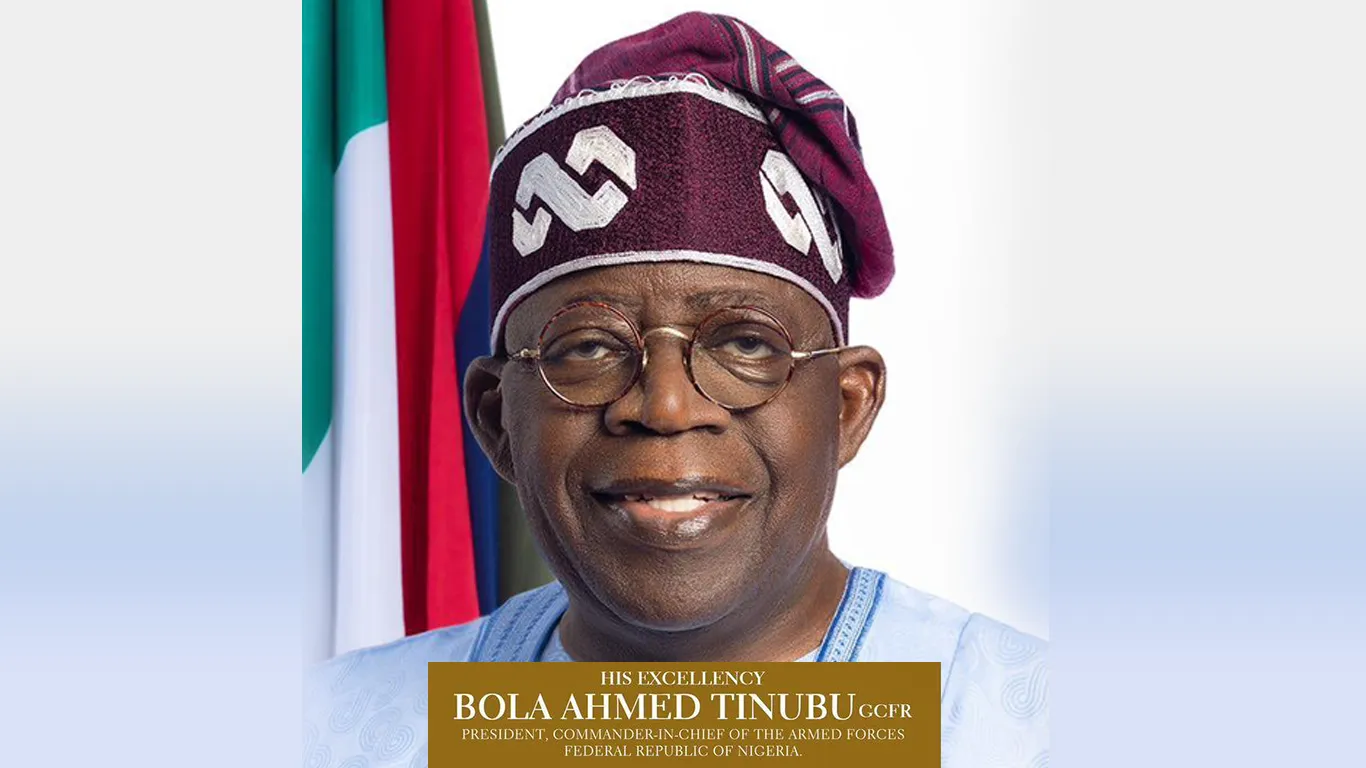
ON 19 September 2026, Nigerian president Bola Ahmed Tinubu released a statement giving an update on the National Affordable CNG Transit Programme(NACTP) in the country.
The president stated that on 27 August 2026, he met with the governors of the 36 states, and an agreement was reached that from 1 October, more Nigerians should begin to see measurable reductions in transportation costs.
The statement was released at a time where there’s an ongoing debate over fuel subsidy policy.
In this report, The FactCheckHub examines some of the verifiable claims made by the president and compares them with official records, statutory reports, and available data.
READ: Fact-checking Peter Obi’s claims on Channels TV
CLAIM 1
The 100 compressed natural gas (CNG) buses in Kaduna State carried about 3.2 million passengers in their first year of operation.
FINDINGS
Findings by The FactCheckHub show that the claim is TRUE
Official statements from the Kaduna State Transport Regulatory Authority (KADSTRA) reported by The Guardian in July 2026, stated that no fewer than 3 million residents in Kaduna State have so far benefited from the free compressed natural gas (CNG) mass transit scheme as part of efforts to improve transportation and ease movement of citizens in the state.
Additionally, the Voice of Nigeria corroborates that the free transit initiative benefits over 3 million commuters annually.
VERDICT
The claim that the 100 CNG buses in Kaduna carried about 3.2 million passengers in their first year of operation is TRUE.
CLAIM 2
In Oyo State, CNG buses deployed to Pacesetter Transport reduced the Lagos–Ibadan fare from about ₦8,000 to ₦3,200 during the initial deployment.
FINDINGS
Findings by The FactCheckHub show that the claim is TRUE
A report by TheCable highlights that Pacesetter Transport Services (PTS), owned by the Oyo State government, officially rolled out its Ibadan–Lagos interstate bus operations using dedicated 15-seater buses.
While private commercial parks charged between ₦7,000 and ₦8,000 for the interstate trip, PTS who announced it on X, fixed its subsidised fare at ₦3,200, offering commuters significant cost relief along the Lagos–Ibadan corridor.
VERDICT
The claim that CNG buses deployed to Pacesetter Transport in Oyo State reduced the Lagos–Ibadan fare from about ₦8,000 to ₦3,200 during initial deployment is TRUE.
CLAIM 3
Enugu State has deployed 100 CNG buses. The deployment of CNG buses reduced the Enugu–Nsukka fare from ₦2,500 to ₦1,500.
FINDINGS
Findings by The FactCheckHub show that the claim is TRUE.
The News Agency of Nigeria reported that on 14 August 2025, governor Peter Mbah officially launched the New Enugu Transport Management System, commissioning five modern bus terminals and rolling out an initial fleet of 100 CNG buses. Nairametrics also reported the deployment, noting that the 100 CNG buses form part of a broader state initiative to deliver subsidised, eco-friendly public transit across key urban and inter-city corridors.
Regarding the transport fare, a field survey and report by The Whistler confirmed that following a 40 percent fare reduction directive by the management of the state-owned CNG transport scheme, ticketing attendants at the Holy Ghost Terminal in Enugu adjusted the price for trips along the Enugu–Nsukka route from ₦2,500 down to ₦1,500.
VERDICT
The claim that Enugu deployed 100 CNG buses and that the deployment reduced the Enugu–Nsukka fare from ₦2,500 to ₦1,500 is TRUE.
CLAIM 4
Through a partnership with the NURTW, passengers using CNG-converted commercial vehicles on several Abuja routes receive a 40% fare reduction. The fare from Area 1 to Gwagwalada has fallen from ₦1,500 to ₦900. The Nyanya fare has fallen from ₦700 to ₦420.
FINDINGS
Findings by The FactCheckHub show that the claim is UNPROVEN.
While officially statements from the Presidential Compressed Natural Gas Initiative (P-CNGi) as reported by Nairametrics and Technext state that a partnership with the National Union of Road Transport Workers (NURTW) was established to enforce a 40 percent transport fare reduction on converted commercial vehicles operating from Area 1 Park, lowering rates to ₦900 for Gwagwalada and ₦420 for Nyanya.
However, field checks and a survey conducted by The FactCheckHub among everyday commuters across the Federal Capital Territory yield conflicting accounts.
Commuters who go through the Nyanya route reported that transport fares remain at standard commercial rates, with trips from Nyanya to Berger charging around ₦500. When commuters along the route were surveyed, they noted that dedicated CNG commercial vehicles start at regular commercial rates of ₦500 and above.
VERDICT
The claim that passengers using CNG-converted commercial vehicles in Abuja receive a 40% fare reduction, lowering Area 1 to Gwagwalada to ₦900 and Nyanya to ₦420, is UNPROVEN. Checks by The FactCheckHub reveal that everyday commuters along these FCT corridors continue to pay regular commercial rates.
CLAIM 5
Abia State has deployed 40 electric buses with fares subsidised by 50 percent.
FINDINGS
Checks by The FactCheckHub show that the claim is MOSTLY TRUE.
A 10 September 2026 report by the Presidential Initiative on Compressed Natural Gas and Electric Vehicles (Pi-CNG & EV) confirms that Abia State had deployed 40 electric buses and 20 charging stations as part of its clean-energy transportation programme.
In January 2026, the director general of the World Trade Organisation, Dr Ngozi Okonjo-Iweala, officially commissioned the first batch of 20 electric buses introduced by the Abia State governor, Dr Alex Otti, for green shuttle services across the state.
However, the report does not state that fares on the buses were subsidised by 50 percent. The president’s 19 September statement is the source of the specific 50 percent figure.
VERDICT
The claim that Abia State has deployed 40 electric buses is MOSTLY TRUE, but the claim that fares are subsidised by 50 percent could not be independently established.
CLAIM 6
More than 120,000 vehicles have been converted to CNG in Nigeria over the last three years.
FINDINGS
Checks by The FactCheckHub show that the claim is TRUE.
The Presidential Initiative on Compressed Natural Gas and Electric Vehicles currently reports that more than 120,000 vehicles have been converted to CNG under the national programme.
The initiative also identifies May 2023 as the beginning of the programme, placing the reported vehicle conversions within the three-year period referenced by president Bola Tinubu. Its current website lists “120K+ Vehicles Converted” among the programme’s key figures. The Pi-CNG & EV also stated in August 2026 that more than 120,000 vehicles had been converted nationwide.
VERDICT
The claim that more than 120,000 vehicles have been converted to CNG in Nigeria over the last three years is TRUE.
CLAIM 7
Nigeria has more than 400 certified CNG conversion centres.
FINDINGS
Checks by The FactCheckHub show that the claim is TRUE.
The Presidential Initiative on Compressed Natural Gas and Electric Vehicles lists more than 400 certified conversion centres as part of its national CNG network. The initiative says the centres are available across Nigeria’s 36 states.
Its current website specifically displays “400+ Certified Conversion Centres” and describes them as part of the national network for vehicle conversion.
VERDICT
The claim that Nigeria has more than 400 certified CNG conversion centres is TRUE, based on the latest figures published by the Presidential Initiative on CNG and Electric Vehicles.
CLAIM 8
Nigeria has more than 90 CNG refuelling stations.
FINDINGS
Checks by The FactCheckHub show that the claim is TRUE.
The Presidential Initiative on Compressed Natural Gas and Electric Vehicles currently lists 91 CNG refuelling stations across 23 states and six geopolitical zones.
The initiative’s main website also reports 90+ CNG refuelling stations nationwide.
VERDICT
The claim that Nigeria has more than 90 CNG refuelling stations is TRUE.
CLAIM 9
Edo State has 50 CNG buses in active service.
FINDINGS
Checks by The FactCheckHub show that the claim is TRUE.
A Guardian report published on 19 May 2026, reported that the Edo State government had taken delivery of 50 CNG buses as part of efforts to improve transportation in the state.
The state’s commissioner for communication and information, Kassim Afegbua, said the 52-seater buses would be deployed across Edo’s three senatorial districts to ease transportation challenges. The commissioner also disclosed that the state was expecting another 50 buses, with a target of 100 buses.
President Bola Tinubu subsequently stated in his 19 September 2026 update on the National Affordable CNG Transit Programme that “Edo already has 50 CNG buses in active service.” The same figure was reproduced in the official state house statement.
VERDICT
The claim that Edo has 50 CNG buses in active service is TRUE.
CLAIM 10
Kano State has converted more than 1,000 commercial vehicles to CNG.
FINDINGS
Checks by The FactCheckHub show that the claim is UNPROVEN.
Evidence shows ongoing CNG deployment in Kano. The Pi-CNG & EV has identified Kano as part of the national CNG network, and its current refuelling-station directory lists eight CNG stations in Kano.
However, The FactCheckHub could not find an independently verifiable record from the Kano State Government, Pi-CNG & EV or another relevant authority establishing the specific figure of more than 1,000 converted commercial vehicles as of 19 September 2026.
VERDICT
Although there is evidence of substantial CNG activity in Kano, the specific claim that more than 1,000 commercial vehicles have been converted could not be independently verified from available records. Therefore, the claim is UNPROVEN.
CLAIM 11
Akwa Ibom State has taken delivery of 50 CNG buses ahead of commercial operations.
FINDINGS
Checks by The FactCheckHub show that the claim is TRUE.
The Akwa Ibom State Government has confirmed that it received the final batch of 10 CNG buses on 1 September 2026, bringing the total number of buses delivered to 50.
According to a report published by The Guild on 3 September, the latest 10 buses completed the state’s planned acquisition of 50 CNG buses. The report said the buses were expected to be deployed for commercial transportation across the state, while governor Umo Eno said preparations for full commercial operations were ongoing, including the establishment of CNG bus terminals.
The delivery was made in batches. The first 20 buses arrived on 29 June, followed by 10 each in July and August. The final 10 arrived on 1 September, bringing the total fleet to 50 buses.
VERDICT
The claim that Akwa Ibom has taken delivery of 50 CNG buses ahead of commercial operations is TRUE. The state had received the final batch of 10 buses by 1 September, bringing the total delivered to 50, although full commercial operations had not yet commenced.

Seasoned writer and literary curator, Zainab Abdulrasaq is a factchecker for The FactCheckHub in an effort to combat information disorder. She can be reached on IG @blackbookishgirl or zabdulrasaq@icirnigeria.org
-
Zainab ABDULRASAQ
-
Zainab ABDULRASAQ
-
Zainab ABDULRASAQ
-
Zainab ABDULRASAQ
-
Zainab ABDULRASAQ
-
Zainab ABDULRASAQ
-
Zainab ABDULRASAQ
-
Zainab ABDULRASAQ
-
Zainab ABDULRASAQ
-
Zainab ABDULRASAQ
-
Zainab ABDULRASAQ
-
Zainab ABDULRASAQ
-
Zainab ABDULRASAQ
-
Zainab ABDULRASAQ
-
Zainab ABDULRASAQ
-
Zainab ABDULRASAQ
-
Zainab ABDULRASAQ
-
Zainab ABDULRASAQ
-
Zainab ABDULRASAQ
-
Zainab ABDULRASAQ
-
Zainab ABDULRASAQ
-
Zainab ABDULRASAQ
-
Zainab ABDULRASAQ
-
Zainab ABDULRASAQ
-
Zainab ABDULRASAQ
-
Zainab ABDULRASAQ
-
Zainab ABDULRASAQ
-
Zainab ABDULRASAQ
-
Zainab ABDULRASAQ
-
Zainab ABDULRASAQ
-
Zainab ABDULRASAQ
-
Zainab ABDULRASAQ
-
Zainab ABDULRASAQ
-
Zainab ABDULRASAQ
-
Zainab ABDULRASAQ
-
Zainab ABDULRASAQ
-
Zainab ABDULRASAQ
-
Zainab ABDULRASAQ
-
Zainab ABDULRASAQ
-
Zainab ABDULRASAQ
-
Zainab ABDULRASAQ
-
Zainab ABDULRASAQ
-
Zainab ABDULRASAQ
-
Zainab ABDULRASAQ
-
Zainab ABDULRASAQ
-
Zainab ABDULRASAQ
-
Zainab ABDULRASAQ
-
Zainab ABDULRASAQ
-
Zainab ABDULRASAQ
-
Zainab ABDULRASAQ
-
Zainab ABDULRASAQ
-
Zainab ABDULRASAQ
-
Zainab ABDULRASAQ
-
Zainab ABDULRASAQ
-
Zainab ABDULRASAQ
-
Zainab ABDULRASAQ
-
Zainab ABDULRASAQ
-
Zainab ABDULRASAQ
-
Zainab ABDULRASAQ
-
Zainab ABDULRASAQ
-
Zainab ABDULRASAQ
-
Zainab ABDULRASAQ
-
Zainab ABDULRASAQ
-
Zainab ABDULRASAQ
-
Zainab ABDULRASAQ
-
Zainab ABDULRASAQ
-
Zainab ABDULRASAQ
-
Zainab ABDULRASAQ
-
Zainab ABDULRASAQ
-
Zainab ABDULRASAQ
-
Zainab ABDULRASAQ
-
Zainab ABDULRASAQ
-
Zainab ABDULRASAQ
-
Zainab ABDULRASAQ
-
Zainab ABDULRASAQ
-
Zainab ABDULRASAQ
-
Zainab ABDULRASAQ
-
Zainab ABDULRASAQ
-
Zainab ABDULRASAQ
-
Zainab ABDULRASAQ
Nurudeen Akewushola is a fact-checker with FactCheckHub. He has authored several fact checks which have contributed to the fight against information disorder. You can reach him via nyahaya@icirnigeria.org and @NurudeenAkewus1 via Twitter.
-
Nurudeen Akewushola
-
Nurudeen Akewushola
-
Nurudeen Akewushola
-
Nurudeen Akewushola
-
Nurudeen Akewushola
-
Nurudeen Akewushola
-
Nurudeen Akewushola
-
Nurudeen Akewushola
-
Nurudeen Akewushola
-
Nurudeen Akewushola
-
Nurudeen Akewushola
-
Nurudeen Akewushola
-
Nurudeen Akewushola
-
Nurudeen Akewushola
-
Nurudeen Akewushola
-
Nurudeen Akewushola
-
Nurudeen Akewushola
-
Nurudeen Akewushola
-
Nurudeen Akewushola
-
Nurudeen Akewushola
-
Nurudeen Akewushola
-
Nurudeen Akewushola
-
Nurudeen Akewushola
-
Nurudeen Akewushola
-
Nurudeen Akewushola
-
Nurudeen Akewushola
-
Nurudeen Akewushola
-
Nurudeen Akewushola
-
Nurudeen Akewushola
-
Nurudeen Akewushola
-
Nurudeen Akewushola
-
Nurudeen Akewushola
-
Nurudeen Akewushola
-
Nurudeen Akewushola
-
Nurudeen Akewushola
-
Nurudeen Akewushola
-
Nurudeen Akewushola
-
Nurudeen Akewushola
-
Nurudeen Akewushola
-
Nurudeen Akewushola
-
Nurudeen Akewushola
-
Nurudeen Akewushola
-
Nurudeen Akewushola
-
Nurudeen Akewushola
-
Nurudeen Akewushola
-
Nurudeen Akewushola
-
Nurudeen Akewushola
-
Nurudeen Akewushola
-
Nurudeen Akewushola
-
Nurudeen Akewushola
-
Nurudeen Akewushola
-
Nurudeen Akewushola
-
Nurudeen Akewushola
-
Nurudeen Akewushola
-
Nurudeen Akewushola
-
Nurudeen Akewushola
-
Nurudeen Akewushola
-
Nurudeen Akewushola
-
Nurudeen Akewushola
-
Nurudeen Akewushola
-
Nurudeen Akewushola
-
Nurudeen Akewushola
-
Nurudeen Akewushola
-
Nurudeen Akewushola
-
Nurudeen Akewushola
-
Nurudeen Akewushola
-
Nurudeen Akewushola
-
Nurudeen Akewushola
-
Nurudeen Akewushola
-
Nurudeen Akewushola
-
Nurudeen Akewushola
-
Nurudeen Akewushola
-
Nurudeen Akewushola
-
Nurudeen Akewushola
-
Nurudeen Akewushola
-
Nurudeen Akewushola
-
Nurudeen Akewushola
-
Nurudeen Akewushola
-
Nurudeen Akewushola
-
Nurudeen Akewushola
-
Nurudeen Akewushola
-
Nurudeen Akewushola
-
Nurudeen Akewushola
-
Nurudeen Akewushola
-
Nurudeen Akewushola
-
Nurudeen Akewushola
-
Nurudeen Akewushola
-
Nurudeen Akewushola
-
Nurudeen Akewushola
-
Nurudeen Akewushola
-
Nurudeen Akewushola
-
Nurudeen Akewushola
-
Nurudeen Akewushola
-
Nurudeen Akewushola
-
Nurudeen Akewushola
-
Nurudeen Akewushola
-
Nurudeen Akewushola
-
Nurudeen Akewushola
-
Nurudeen Akewushola
-
Nurudeen Akewushola
-
Nurudeen Akewushola
-
Nurudeen Akewushola
-
Nurudeen Akewushola
-
Nurudeen Akewushola
-
Nurudeen Akewushola
-
Nurudeen Akewushola
-
Nurudeen Akewushola
-
Nurudeen Akewushola
-
Nurudeen Akewushola
-
Nurudeen Akewushola
-
Nurudeen Akewushola
-
Nurudeen Akewushola
-
Nurudeen Akewushola
-
Nurudeen Akewushola
-
Nurudeen Akewushola
-
Nurudeen Akewushola
-
Nurudeen Akewushola
-
Nurudeen Akewushola
-
Nurudeen Akewushola
-
Nurudeen Akewushola
-
Nurudeen Akewushola
-
Nurudeen Akewushola
-
Nurudeen Akewushola
-
Nurudeen Akewushola
-
Nurudeen Akewushola
-
Nurudeen Akewushola
-
Nurudeen Akewushola
-
Nurudeen Akewushola
-
Nurudeen Akewushola
-
Nurudeen Akewushola
-
Nurudeen Akewushola
-
Nurudeen Akewushola
-
Nurudeen Akewushola
-
Nurudeen Akewushola
-
Nurudeen Akewushola
-
Nurudeen Akewushola
-
Nurudeen Akewushola
-
Nurudeen Akewushola
-
Nurudeen Akewushola
-
Nurudeen Akewushola
-
Nurudeen Akewushola
-
Nurudeen Akewushola
-
Nurudeen Akewushola
-
Nurudeen Akewushola
-
Nurudeen Akewushola
-
Nurudeen Akewushola
-
Nurudeen Akewushola
-
Nurudeen Akewushola
-
Nurudeen Akewushola
-
Nurudeen Akewushola
-
Nurudeen Akewushola
-
Nurudeen Akewushola
-
Nurudeen Akewushola
-
Nurudeen Akewushola
-
Nurudeen Akewushola
-
Nurudeen Akewushola
-
Nurudeen Akewushola
-
Nurudeen Akewushola
-
Nurudeen Akewushola
-
Nurudeen Akewushola
-
Nurudeen Akewushola
-
Nurudeen Akewushola
-
Nurudeen Akewushola
-
Nurudeen Akewushola
-
Nurudeen Akewushola
-
Nurudeen Akewushola
-
Nurudeen Akewushola
-
Nurudeen Akewushola
-
Nurudeen Akewushola
-
Nurudeen Akewushola
-
Nurudeen Akewushola
-
Nurudeen Akewushola
-
Nurudeen Akewushola
-
Nurudeen Akewushola
-
Nurudeen Akewushola
-
Nurudeen Akewushola
-
Nurudeen Akewushola
-
Nurudeen Akewushola
-
Nurudeen Akewushola
-
Nurudeen Akewushola
-
Nurudeen Akewushola
-
Nurudeen Akewushola
-
Nurudeen Akewushola
-
Nurudeen Akewushola
-
Nurudeen Akewushola
-
Nurudeen Akewushola
-
Nurudeen Akewushola
-
Nurudeen Akewushola
-
Nurudeen Akewushola
-
Nurudeen Akewushola
-
Nurudeen Akewushola
-
Nurudeen Akewushola
-
Nurudeen Akewushola
-
Nurudeen Akewushola
-
Nurudeen Akewushola
-
Nurudeen Akewushola
-
Nurudeen Akewushola
-
Nurudeen Akewushola
-
Nurudeen Akewushola
-
Nurudeen Akewushola
-
Nurudeen Akewushola
-
Nurudeen Akewushola
-
Nurudeen Akewushola
-
Nurudeen Akewushola
-
Nurudeen Akewushola
-
Nurudeen Akewushola
-
Nurudeen Akewushola
-
Nurudeen Akewushola
-
Nurudeen Akewushola
-
Nurudeen Akewushola
-
Nurudeen Akewushola
-
Nurudeen Akewushola
-
Nurudeen Akewushola
-
Nurudeen Akewushola
-
Nurudeen Akewushola
-
Nurudeen Akewushola
-
Nurudeen Akewushola
-
Nurudeen Akewushola
-
Nurudeen Akewushola
-
Nurudeen Akewushola
-
Nurudeen Akewushola
-
Nurudeen Akewushola
-
Nurudeen Akewushola
-
Nurudeen Akewushola
-
Nurudeen Akewushola
-
Nurudeen Akewushola
-
Nurudeen Akewushola
-
Nurudeen Akewushola
-
Nurudeen Akewushola
-
Nurudeen Akewushola
-
Nurudeen Akewushola
-
Nurudeen Akewushola
-
Nurudeen Akewushola
-
Nurudeen Akewushola
-
Nurudeen Akewushola
-
Nurudeen Akewushola
-
Nurudeen Akewushola
-
Nurudeen Akewushola
-
Nurudeen Akewushola
-
Nurudeen Akewushola
-
Nurudeen Akewushola
-
Nurudeen Akewushola
-
Nurudeen Akewushola
-
Nurudeen Akewushola
-
Nurudeen Akewushola
-
Nurudeen Akewushola
-
Nurudeen Akewushola
-
Nurudeen Akewushola
-
Nurudeen Akewushola
-
Nurudeen Akewushola
-
Nurudeen Akewushola
-
Nurudeen Akewushola
-
Nurudeen Akewushola
-
Nurudeen Akewushola
-
Nurudeen Akewushola
-
Nurudeen Akewushola
-
Nurudeen Akewushola
-
Nurudeen Akewushola
-
Nurudeen Akewushola
-
Nurudeen Akewushola
-
Nurudeen Akewushola
-
Nurudeen Akewushola
-
Nurudeen Akewushola
-
Nurudeen Akewushola
-
Nurudeen Akewushola
-
Nurudeen Akewushola
-
Nurudeen Akewushola
-
Nurudeen Akewushola
-
Nurudeen Akewushola
-
Nurudeen Akewushola
-
Nurudeen Akewushola
-
Nurudeen Akewushola
-
Nurudeen Akewushola
-
Nurudeen Akewushola
-
Nurudeen Akewushola
-
Nurudeen Akewushola
-
Nurudeen Akewushola
-
Nurudeen Akewushola
-
Nurudeen Akewushola
-
Nurudeen Akewushola
-
Nurudeen Akewushola
-
Nurudeen Akewushola
-
Nurudeen Akewushola
-
Nurudeen Akewushola
-
Nurudeen Akewushola
-
Nurudeen Akewushola
-
Nurudeen Akewushola
-
Nurudeen Akewushola
-
Nurudeen Akewushola
-
Nurudeen Akewushola
-
Nurudeen Akewushola
-
Nurudeen Akewushola
-
Nurudeen Akewushola
-
Nurudeen Akewushola
-
Nurudeen Akewushola
-
Nurudeen Akewushola
-
Nurudeen Akewushola
-
Nurudeen Akewushola
-
Nurudeen Akewushola
-
Nurudeen Akewushola
-
Nurudeen Akewushola
-
Nurudeen Akewushola
-
Nurudeen Akewushola
-
Nurudeen Akewushola
-
Nurudeen Akewushola
-
Nurudeen Akewushola
-
Nurudeen Akewushola
-
Nurudeen Akewushola
-
Nurudeen Akewushola
-
Nurudeen Akewushola
-
Nurudeen Akewushola
-
Nurudeen Akewushola
-
Nurudeen Akewushola
-
Nurudeen Akewushola
-
Nurudeen Akewushola
-
Nurudeen Akewushola
-
Nurudeen Akewushola
-
Nurudeen Akewushola
-
Nurudeen Akewushola
-
Nurudeen Akewushola
-
Nurudeen Akewushola
-
Nurudeen Akewushola
-
Nurudeen Akewushola
-
Nurudeen Akewushola
-
Nurudeen Akewushola
-
Nurudeen Akewushola
-
Nurudeen Akewushola
-
Nurudeen Akewushola
-
Nurudeen Akewushola
-
Nurudeen Akewushola
-
Nurudeen Akewushola
-
Nurudeen Akewushola
-
Nurudeen Akewushola
-
Nurudeen Akewushola
-
Nurudeen Akewushola
-
Nurudeen Akewushola
-
Nurudeen Akewushola
-
Nurudeen Akewushola
-
Nurudeen Akewushola
-
Nurudeen Akewushola
-
Nurudeen Akewushola
-
Nurudeen Akewushola
-
Nurudeen Akewushola
-
Nurudeen Akewushola
-
Nurudeen Akewushola
-
Nurudeen Akewushola
-
Nurudeen Akewushola
-
Nurudeen Akewushola
-
Nurudeen Akewushola
-
Nurudeen Akewushola
-
Nurudeen Akewushola
-
Nurudeen Akewushola
-
Nurudeen Akewushola
-
Nurudeen Akewushola
-
Nurudeen Akewushola
-
Nurudeen Akewushola
-
Nurudeen Akewushola
-
Nurudeen Akewushola
-
Nurudeen Akewushola
-
Nurudeen Akewushola
-
Nurudeen Akewushola
-
Nurudeen Akewushola
-
Nurudeen Akewushola
-
Nurudeen Akewushola
-
Nurudeen Akewushola
-
Nurudeen Akewushola
-
Nurudeen Akewushola
-
Nurudeen Akewushola
-
Nurudeen Akewushola
-
Nurudeen Akewushola
-
Nurudeen Akewushola
-
Nurudeen Akewushola
-
Nurudeen Akewushola
-
Nurudeen Akewushola
-
Nurudeen Akewushola
-
Nurudeen Akewushola
-
Nurudeen Akewushola
-
Nurudeen Akewushola
-
Nurudeen Akewushola
-
Nurudeen Akewushola
-
Nurudeen Akewushola
-
Nurudeen Akewushola
-
Nurudeen Akewushola
-
Nurudeen Akewushola
-
Nurudeen Akewushola
-
Nurudeen Akewushola
-
Nurudeen Akewushola
-
Nurudeen Akewushola
-
Nurudeen Akewushola
-
Nurudeen Akewushola
-
Nurudeen Akewushola
-
Nurudeen Akewushola
-
Nurudeen Akewushola
-
Nurudeen Akewushola
-
Nurudeen Akewushola
-
Nurudeen Akewushola
-
Nurudeen Akewushola
-
Nurudeen Akewushola
-
Nurudeen Akewushola
-
Nurudeen Akewushola
-
Nurudeen Akewushola
-
Nurudeen Akewushola
-
Nurudeen Akewushola
-
Nurudeen Akewushola
-
Nurudeen Akewushola
-
Nurudeen Akewushola
-
Nurudeen Akewushola
-
Nurudeen Akewushola
-
Nurudeen Akewushola
-
Nurudeen Akewushola
-
Nurudeen Akewushola
-
Nurudeen Akewushola
-
Nurudeen Akewushola
-
Nurudeen Akewushola
-
Nurudeen Akewushola
-
Nurudeen Akewushola
-
Nurudeen Akewushola
-
Nurudeen Akewushola
-
Nurudeen Akewushola
-
Nurudeen Akewushola
-
Nurudeen Akewushola
-
Nurudeen Akewushola
-
Nurudeen Akewushola
-
Nurudeen Akewushola
-
Nurudeen Akewushola
-
Nurudeen Akewushola
-
Nurudeen Akewushola
-
Nurudeen Akewushola
-
Nurudeen Akewushola
-
Nurudeen Akewushola
-
Nurudeen Akewushola
-
Nurudeen Akewushola
-
Nurudeen Akewushola
-
Nurudeen Akewushola
-
Nurudeen Akewushola
-
Nurudeen Akewushola
-
Nurudeen Akewushola
-
Nurudeen Akewushola
-
Nurudeen Akewushola
-
Nurudeen Akewushola
-
Nurudeen Akewushola
-
Nurudeen Akewushola
-
Nurudeen Akewushola
-
Nurudeen Akewushola
-
Nurudeen Akewushola
-
Nurudeen Akewushola
-
Nurudeen Akewushola
-
Nurudeen Akewushola
-
Nurudeen Akewushola
-
Nurudeen Akewushola
-
Nurudeen Akewushola
-
Nurudeen Akewushola
-
Nurudeen Akewushola
-
Nurudeen Akewushola
-
Nurudeen Akewushola
-
Nurudeen Akewushola
-
Nurudeen Akewushola
-
Nurudeen Akewushola
-
Nurudeen Akewushola
-
Nurudeen Akewushola
-
Nurudeen Akewushola
-
Nurudeen Akewushola
-
Nurudeen Akewushola
-
Nurudeen Akewushola
-
Nurudeen Akewushola
-
Nurudeen Akewushola
-
Nurudeen Akewushola
-
Nurudeen Akewushola
-
Nurudeen Akewushola
-
Nurudeen Akewushola
-
Nurudeen Akewushola
-
Nurudeen Akewushola
-
Nurudeen Akewushola
-
Nurudeen Akewushola
-
Nurudeen Akewushola
-
Nurudeen Akewushola
-
Nurudeen Akewushola
-
Nurudeen Akewushola
-
Nurudeen Akewushola
-
Nurudeen Akewushola
-
Nurudeen Akewushola
-
Nurudeen Akewushola
-
Nurudeen Akewushola
-
Nurudeen Akewushola
-
Nurudeen Akewushola
-
Nurudeen Akewushola

