
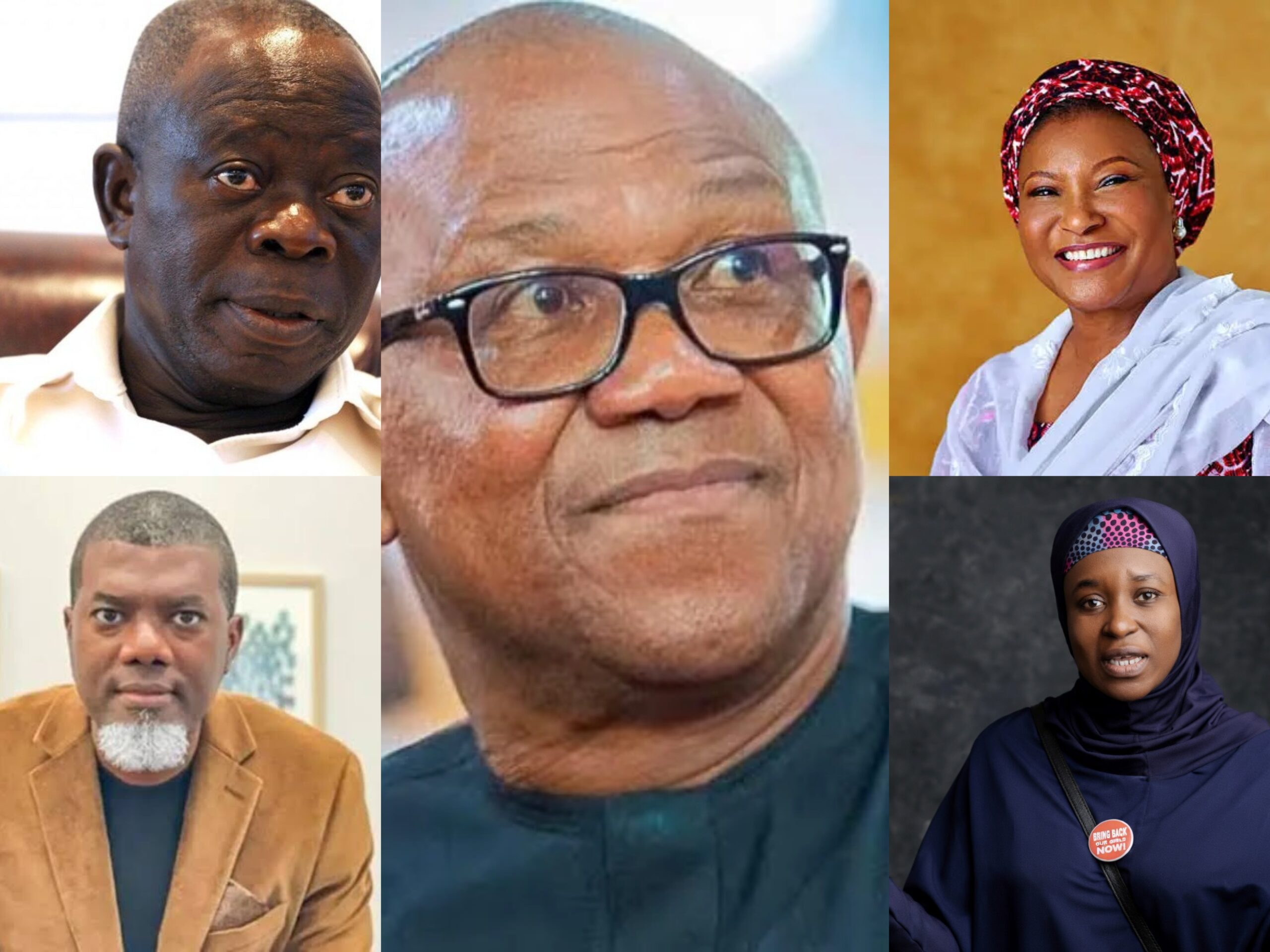
From claims about the minimum wage and public debt to misleading health advice and recycled political videos, several statements by prominent Nigerian public figures have come under the scrutiny of fact-checkers ahead of the 2027 general elections.
As political discussions intensify, statements and social media posts by politicians, government officials and other influential figures continue to shape public conversations. However, fact-checks have found that some of these claims contain inaccurate information, lack context or misrepresent available evidence.
The FactCheckHub examines eight cases involving public figures and the findings of investigations into their claims. The individuals are listed in no particular order.
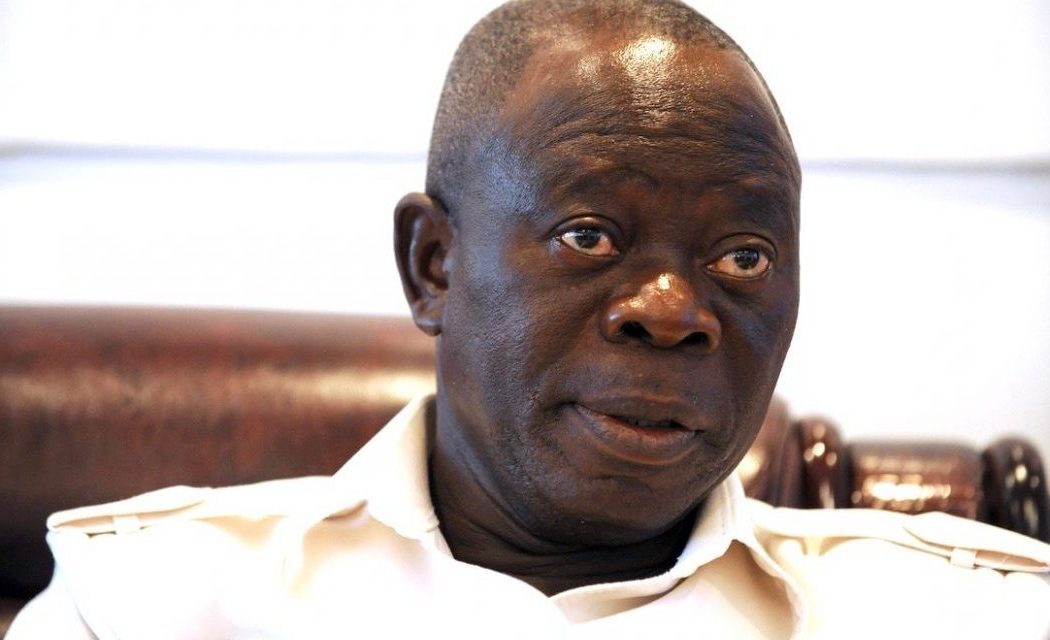
1. Adams Oshiomhole: Claim that minimum wage had risen to ₦140,000
On 5 November 2026, Senator Adams Oshiomhole claimed that Nigeria’s minimum wage had increased to ₦140,000 during an All Progressives Congress (APC) presidential campaign event in Ado-Ekiti, Ekiti State.
However, a fact-check by The FactCheckHub found the claim to be MISLEADING.
The investigation established that the statutory minimum wage remained ₦70,000 under the National Minimum Wage (Amendment) Act, 2024. The additional ₦70,000 was a temporary monthly transport intervention agreed upon by the Federal Government and the Nigeria Labour Congress (NLC) for public-service workers for six months, beginning in November 2026.
Although the government and organised labour agreed to begin discussions on a new minimum wage, no new wage agreement had been concluded at the time of the fact-check.
The distinction is important because the minimum wage is a legally established amount employers are required to pay eligible workers, while a temporary allowance does not automatically become part of the statutory wage.
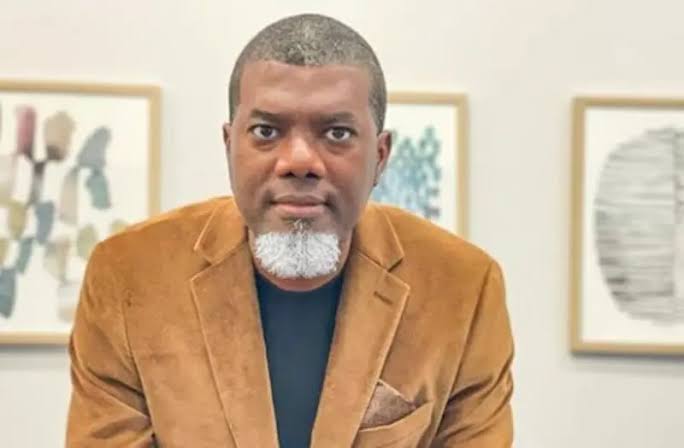
2. Reno Omokri: Claim that Nigeria’s public debt fell by $10 billion
Former presidential aide and Nigeria’s ambassador to Mexico, Reno Omokri, claimed that Nigeria’s public debt had reduced by $10 billion under President Bola Tinubu’s administration.
A fact-check by the International Centre for Investigative Reporting (ICIR) found the claim to be FALSE.
The investigation examined figures published by the Debt Management Office (DMO), which put Nigeria’s total public debt at $110.97 billion, or ₦159.28 trillion, as of December 2025.
Omokri’s claim relied on an earlier debt figure of $103.94 billion from September 2025. However, the debt had increased by the end of December that year.
Comparing the June 2023 debt figure of $113.42 billion with the December 2025 figure showed a reduction of approximately $2.45 billion, not $10 billion as claimed.
The investigation therefore found that the figures did not support Omokri’s assertion of a $10 billion reduction.
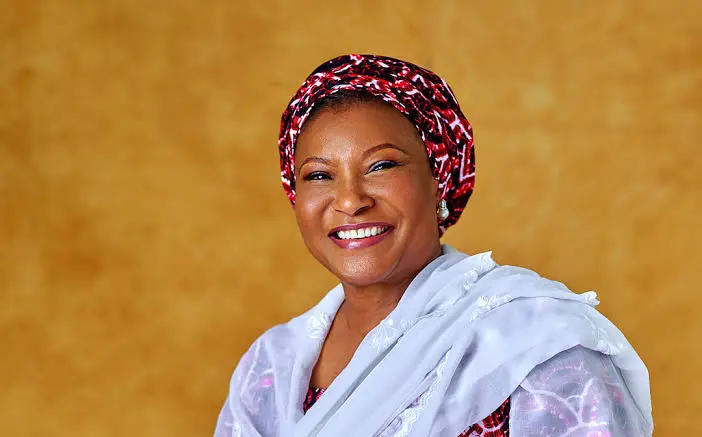
3. Ireti Kingibe: Claim that Nigerians would pay 25 per cent tax on their earnings
Senator Ireti Kingibe, who represents the Federal Capital Territory (FCT), claimed that Nigeria’s new tax law would require citizens to pay 25 per cent of their earnings as tax.
A fact-check by The FactCheckHub found the claim to be MISLEADING.
The investigation explained that the 25 per cent rate applies to the portion of an individual’s annual taxable income exceeding ₦50 million. It is not a flat rate imposed on every Nigerian or on all earnings.
Under the progressive tax structure, different portions of an individual’s taxable income are subject to different rates. This means that the 25 per cent rate applies only to the portion of taxable income within the relevant band, rather than the individual’s entire earnings.
The Nigeria Tax Act 2025 took effect on 1 January 2026.
4. Peter Obi: Claim that Nigeria’s debt had reached ₦200 trillion
Nigeria Democratic Congress (NDC) presidential candidate Peter Obi claimed that Nigeria’s public debt had reached ₦200 trillion.
A fact-check by the Foundation for Investigative Journalism (FIJ) found the claim to be MISLEADING.
FIJ’s investigation found that the DMO put Nigeria’s public debt at ₦159.28 trillion as of December 2025. The organisation estimated that the figure would rise to approximately ₦164 trillion when about ₦4.6 trillion in verified 2026 borrowings and loan approvals were considered.
The DMO subsequently reported that Nigeria’s total public debt stood at ₦166.79 trillion as of 30 June 2026.
Although the debt had increased from the December 2025 figure, the latest official data available at the time of writing remained below ₦200 trillion.
5. Babatunde Gbadamosi: Claim that bitter kola and vitamin C can prevent Ebola
Babatunde Gbadamosi, the African Democratic Congress (ADC) deputy governorship candidate in Lagos State, suggested that bitter kola and high doses of vitamin C could prevent or treat Ebola.
A fact-check by FIJ described the claim as misinformation.
The investigation found that preliminary laboratory research on compounds in bitter kola did not establish that the substance could prevent or treat Ebola in humans. It also found no reliable evidence that high-dose vitamin C was responsible for the recovery of a nurse referenced in Gbadamosi’s claim.
While hydration is an important part of supportive care for Ebola patients, this does not establish that bitter kola or vitamin C can prevent or cure the disease.
Public health misinformation can have serious consequences, particularly when it encourages people to rely on unproven remedies instead of seeking appropriate medical care.
6. Dada Olusegun: Misleading comparison of water transport in Anambra and Lagos
Dada Olusegun, a media aide to President Bola Tinubu, shared an image of Peter Obi in a canoe to compare water transportation in Anambra State during Obi’s administration with developments in Lagos under Governor Babajide Sanwo-Olu.
The FactCheckHub found the comparison to be MISLEADING.
The fact-check established that the image of Obi in the canoe was taken in October 2022, when he visited communities affected by flooding. This was about eight years after he left office as governor of Anambra State in 2014.
The image was therefore not evidence of the state of water transportation infrastructure during Obi’s tenure as governor. Using it to compare the two administrations gave a misleading impression of the circumstances in which the photograph was taken.
7. Aisha Yesufu: Video suggesting the former national anthem was sung at an FEC meeting
Nigerian activist and political campaign figure Aisha Yesufu shared a video suggesting that Nigeria’s former national anthem was sung at a Federal Executive Council (FEC) meeting in 2026.
A fact-check by TheCable found that the footage was not from a 2026 meeting.

The investigation traced the video to an earlier FEC meeting held between 2023 and 2024, before the national anthem was changed in May 2024. The footage therefore did not establish that the former anthem was sung at a 2026 meeting.
The case illustrates how old footage can be recirculated on social media and presented as a recent event, potentially misleading audiences who are unfamiliar with its original date and context.
8. Rufai Oseni: Old video of Isa Pantami shared without context
Arise Television presenter Rufai Oseni shared an old video showing former Minister of Communications and Digital Economy, Isa Pantami, crying. The post suggested that Pantami was reacting to being denied the APC governorship ticket in Gombe State.

However, The FactCheckHub found that the video was not connected to the political development suggested in the post.
The footage was originally posted by Pantami on 18 April 2024 and showed him delivering a religious lecture during a Ramadan sermon at Al-Noor Mosque in Abuja.
It was therefore unrelated to the APC’s decision on its governorship ticket. Without the original context, viewers could get a false impression of when and why Pantami was crying.
The case highlights how old videos can be repurposed to support claims about current political developments, particularly when they involve prominent public figures.
Why public figures’ claims matter
Speaking with The FactCheckHub, disinformation researcher Omolola Pedro warned that the circulation of false and misleading claims by public figures ahead of the 2027 general elections could undermine informed political participation.
She said, “Public figures occupy influential positions in society, and their statements often carry considerable weight among their followers. When politicians, government officials and influential commentators share false or misleading information, they lend credibility to such claims and make it easier for misinformation to spread.”
Pedro explained that social media allows public figures to circulate claims without the editorial scrutiny associated with mainstream media. She noted that misleading statements could go viral within minutes, while corrections often receive less attention.
She also identified outdated videos presented as recent events, misinterpreted statistics and statements stripped of context as common forms of election misinformation.
“Sometimes, the information being circulated is not entirely fabricated. It could be an old video presented as a recent event, an accurate statistic interpreted wrongly, or a genuine statement stripped of its original context,” she said.
She urged Nigerians to verify political claims before sharing them and called on public figures to act responsibly in their communications.

Nurudeen Akewushola is a fact-checker with FactCheckHub. He has authored several fact checks which have contributed to the fight against information disorder. You can reach him via nyahaya@icirnigeria.org and @NurudeenAkewus1 via Twitter.

