
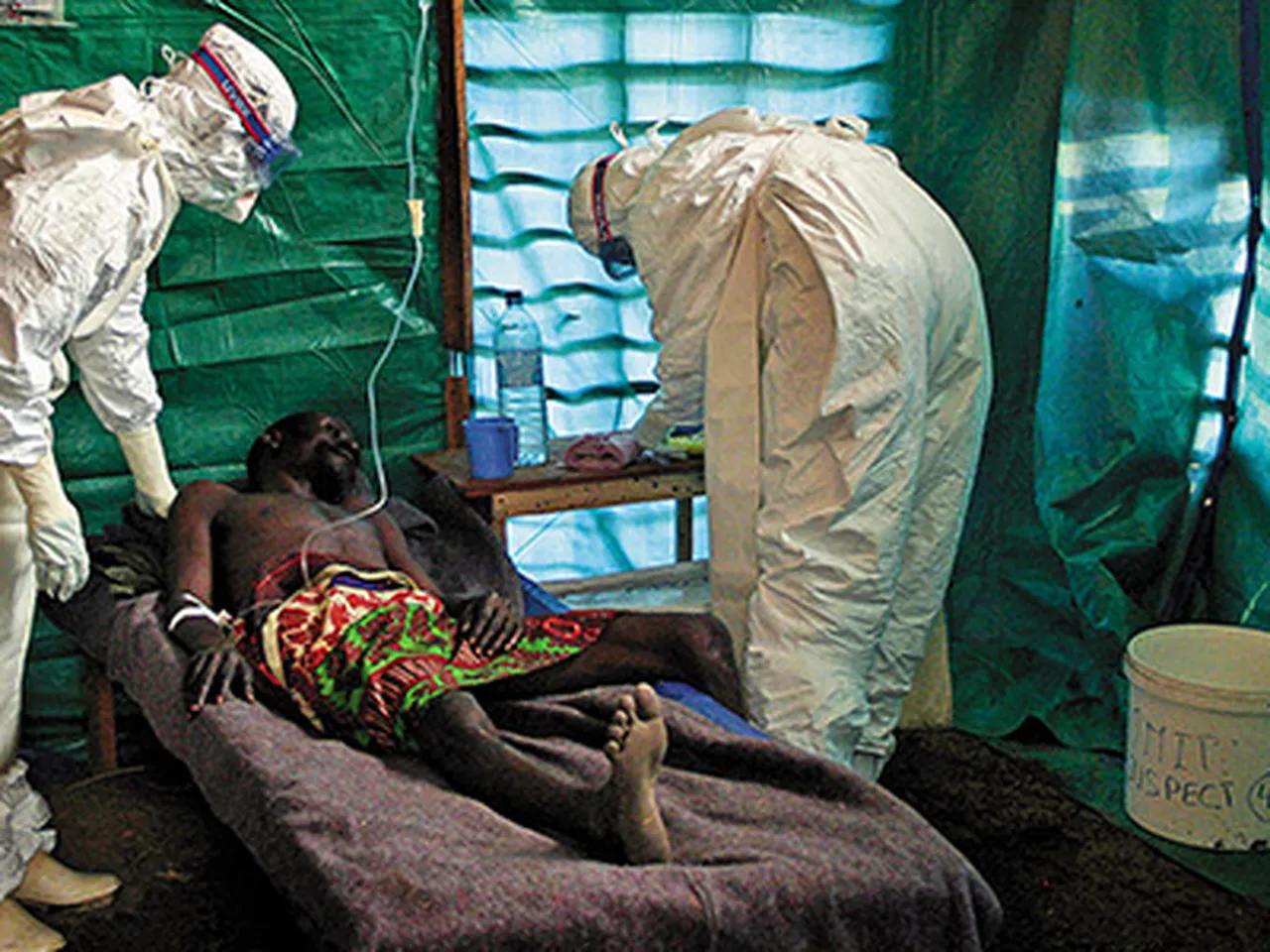
NIGERIA’s health authorities have intensified Ebola Virus Disease (EVD) awareness campaigns following new outbreaks in parts of Central and East Africa, despite no confirmed cases in the country.
The Nigeria Centre for Disease Control and Prevention (NCDC), alongside the World Health Organisation (WHO) and United Nations Children’s Fund (UNICEF), says the measures are preventive, aimed at reducing the risk of cross-border transmission from the Democratic Republic of the Congo (DRC) and Uganda, where outbreaks were declared on May 16, 2026.
What is Ebola and how does it spread?
WHO explained that Bundibugyo virus disease is a severe and often fatal form of Ebola caused by the Bundibugyo virus, a member of the Orthoebolavirus genus. First identified during a 2007 outbreak in the Bundibugyo District of western Uganda, this particular species causes what is clinically referred to as Bundibugyo virus disease. The virus is zoonotic in origin, with fruit bats believed to be the natural reservoir, and transmission to humans occurring through direct contact with infected wildlife or exposure to bodily fluids of infected persons, as well as contaminated surfaces.
Once the virus crosses over into the human population, the cause of its spread changes from animal contact to person-to-person transmission. This happens through direct contact with the broken skin or mucous membranes of a healthy person and the bodily fluids of an infected individual. These fluids include blood, vomit, faeces, saliva, urine, sweat, breast milk, and semen. It can also spread when someone handles contaminated materials like bedding, clothing, soiled needles, or unsterilised medical equipment. Because the virus is highly virulent, specific groups face elevated risk of infection during a Bundibugyo strain outbreak.
Frontline healthcare workers and laboratory personnel are particularly vulnerable if strict infection prevention measures are not followed. Family members and caregivers looking after sick relatives, as well as individuals participating in traditional burial ceremonies that involve direct contact with the deceased, are also at high risk.
READ: Hantavirus: No need to panic, expert reassures Nigerians
Common symptoms include sudden fever, severe headache, muscle pain and weakness, sore throat, vomiting, diarrhea, unexplained bleeding or bruising, and fatigue.
Currently, there is no licensed vaccine or specific approved antiviral treatment targeting the Bundibugyo virus species as stated by the health bodies. However, public health experts emphasised that there is no need for panic, as early medical intervention and supportive care significantly improve survival rates. Providing early treatment, such as intravenous fluids, electrolyte balancing, and managing specific symptoms in designated centres, drastically reduces complications and saves lives.
Furthermore, NCDC and other health agencies reiterate that Ebola is not an airborne disease; it does not spread through the air like the flu or COVID-19, nor does it spread via mosquito bites or casual interactions like waving. An infected person cannot pass on the virus until they begin to show active clinical symptoms. Vigilance, proper hygiene, and collective preparedness remain the country’s best defence against potential cross-border transmission.
READ ALSO: No, Nigeria has not recorded any confirmed case of Hantavirus
Preventive measures
To ensure safety, the NCDC and international health bodies recommend adherence to the following preventive measures:
- Washing hands regularly with soap and clean running water, or using an alcohol-based hand sanitiser when water is unavailable.
- Avoiding direct physical contact with the blood, vomit, diarrhoea, or any other bodily fluids of anyone showing symptoms of the illness.
- Not participating in unsafe burial practices or handling the bodies of individuals who have died from suspected viral symptoms.
- Avoiding contact with sick or dead wild animals, particularly fruit bats and monkeys.
- Ensuring that all meat and bushmeat products are properly handled and thoroughly cooked before consumption.
- Seeking immediate medical attention at a designated healthcare facility if you or a family member develops a sudden fever after travelling to an affected region.
Nigerians are advised to follow all official public health advisories and refrain from spreading unverified rumours or false information about the virus.

Seasoned writer and literary curator, Zainab Abdulrasaq is a factchecker for The FactCheckHub in an effort to combat information disorder. She can be reached on IG @blackbookishgirl or zabdulrasaq@icirnigeria.org

