Please note that the FactCheckHub has not obtained any right from the authors or copyright owners of all third-party contents from embedded links and shall incur no liability in this regard.
Please note that the FactCheckHub has not obtained any right from the authors or copyright owners of all third-party contents from embedded links and shall incur no liability in this regard.
Please note that the FactCheckHub has not obtained any right from the authors or copyright owners of all third-party contents from embedded links and shall incur no liability in this regard.
Please note that the FactCheckHub has not obtained any right from the authors or copyright owners of all third-party contents from embedded links and shall incur no liability in this regard.
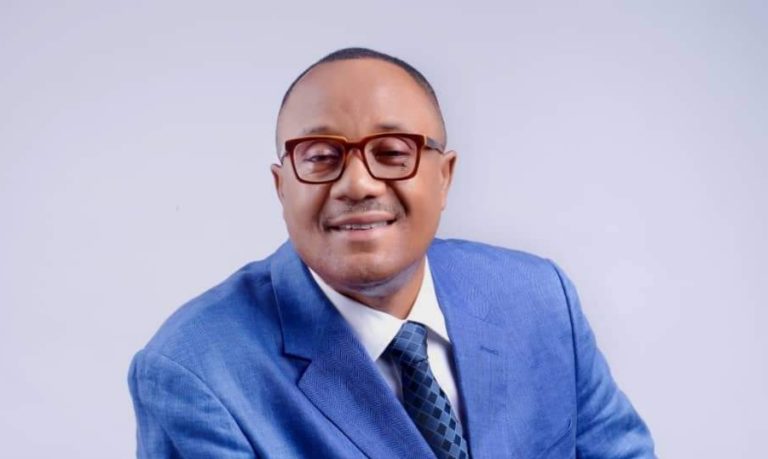
Barely 24 hours after the Anambra state governorship election, an image is being circulated online that the chairman of the All Progressives Congress (APC) in the state, Basil Ejidike collapsed after his party suffers defeat in his local government area (LGA).
The post made by Twitter user Igweh U Achebe Esq. (@IgwehAche), which shows a man on his knees being helped into a car has garnered over 1,000 engagements.
The tweet reads; “Just In; Anambra state APC chairman, Chief Basil Ejidike collapses after losing his LGA to PDP. #AnambraDecides2021”.
The image was also shared with the same caption on blogs and Facebook.
THE CLAIM:
The image shows chairman of the All Progressives Congress (APC) in Anambra state Basil Ejidike, after the party lost at his local government.
A screenshot of the tweet.
THE FINDINGS:
Findings by The FactCheckHub show that the claim is false, as the image has been on the internet since 2017.
It has been used to illustrate different stories and incidents.
In one instance in 2017, he was a man who pretended to have fainted after finding out the woman he assaulted is a Policeman’s wife.
In another instance in 2020, he was a man who found out his stimulus (COVID-19) cheque was going towards child support.
Furthermore, The FactCheckHub findings show that at the time the tweet was made, the the PDP was yet to win any LGA in the state.
Media reports here and here show that the All Progressive Grand Alliance (APGA) won in all the seven LGAs released so far.
THE VERDICT:
The claim that the he image shows chairman of the All Progressives Congress (APC) in Anambra state Basil Ejidike, after the party lost at his local government to the PDP is FALSE.
Hours before the governorship election in Anambra state, multiple reports emerged that the African Action Congress (AAC) candidate, Chidozie Nwankwo has stepped down and also endorsed the Peoples Democratic Party (PDP) flagbearer, Valentine Ozigbo.
THE CLAIM
The AAC candidate Chidozie Nwankwo stepped down and endorsed PDP’s Valentine Ozigbo.
THE FINDING
Findings by the FactCheckHub show that the claim is FALSE.
Adeyeye Olorunfemi, the acting National Secretary for the African Action Congress (AAC), debunked the claim via statement shared on Facebook.
A viral post accusing the All Progressive Grand Alliance (APGA) of electoral malpractices in the November 6, Anambra governorship election has emerged on the internet.
The 30 seconds footage shows four people, three of them spotting reflective jackets similar to the ones worn by election officials thumbprinting what appears to be ballot papers.
The Facebook post by Jacob Iliya reads “The looting of votes ongoing in Anambra State by APGA. Come and see APGA breaking records.”
THE CLAIM
The video depicts APGA officials thumb-printing multiple ballots papers at the November 6 Anambra poll.
THE FINDINGS
Findings by the FactCheckHub show that the claim is false, as the video has been in circulation months before the Anambra election.
The FactCheckHub traced the video to a Facebook post made in April 2021 by Ekens Foundation International which captioned it with “Nigerian credible election: How would the 2023 general election be in Nigeria.”
Therefore, the video could not have been from the November 6 election as stated.
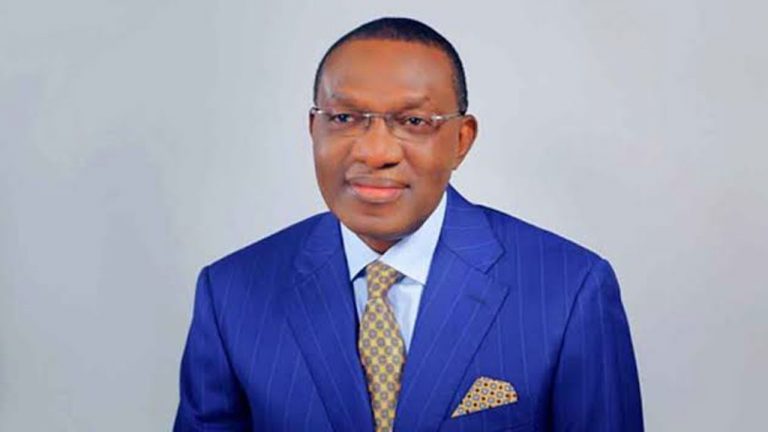
AS THE Anambra state governorship election result trickles in, a Facebook user Ikechukwu Emeka Onyia, on Sunday claimed the candidate of the All Progressives Congress Andy Ubah, is leading in seven Local Government Areas (LGAs) of the state.
THE VERDICT: FALSE
Findings by The FactCheckHub show that the claim is false, as the official result revealed that the APC candidate is yet to win a single LGA.
Barely 24 hours after the Anambra state governorship election, an image is being circulated online that the chairman of the All Progressives Congress (APC) in the state, Basil Ejidike collapsed after his party suffers defeat in his local government area (LGA).
THE VERDICT: FALSE
Findings by The FactCheckHub show that the claim is false, as the image has been on the internet since 2017. It has been used to illustrate different stories and incidents.
Multiple reports emerged that the African Action Congress (AAC) candidate, Chidozie Nwankwo has stepped down and also endorsed the Peoples Democratic Party (PDP) flagbearer, Valentine Ozigbo.
THE VERDICT: FALSE
Adeyeye Olorunfemi, the acting National Secretary for the African Action Congress (AAC), debunked the claim via statement shared on Facebook.
He said the ACC “did not endorse Mr Val Ozigbo candidate of the PDP”.
CLAIM 2:
A viral post accusing the All Progressive Grand Alliance (APGA) of electoral malpractices in the November 6, Anambra governorship election has emerged on the internet. The 30 seconds footage shows four people, three of them spotting reflective jackets similar to the ones worn by election officials thumbprinting what appears to be ballot papers
THE VERDICT: FALSE
Findings by the FactCheckHub show that the claim is false, as the video has been in circulation months before the Anambra election.
“People are refusing to vote, everybody is indoor in Aguleri area of Anambra state.”
THE VERDICT: FALSE
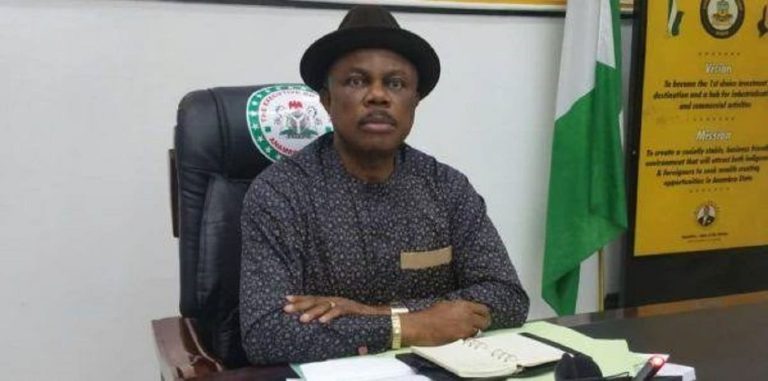
Media reports indicate that the Anambra State Governor Willie Obiano and his wife were at Aguleri where they cast their votes.
The reports stated that Obiano arrived at his polling unit at around 9:28 am at Eri Primary School, Unit 004, Otuocha 1, in Aguleri where he joined the queue and eventually voted a few minutes later.
Obiano also addressed the press and spoke about voter turnout.
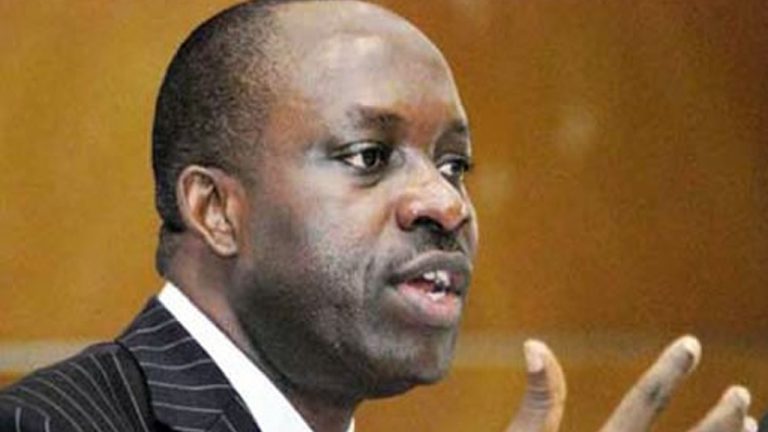
During the debate Charles Soludo claimed he was a three-time winner of best central bank governor award.
THE CLAIM
Charles Soludo claimed he was a three-time winner of best central bank governor award.
THE VERDICT: TRUE
The CBN profile of Soludo states that he was the winner of the ‘Global’ and also the ‘African Central Bank Governor’ of the Year in 2005, 2006, and 2007 by by FT- Banker; Euromoney; and Annual Meetings Daily.
CLAIM 1
Chukwuma Charles Soludo, one of the candidates during the Anambra state gubernatorial debate said “Anambra state has the lowest unemployment of any state in Nigeria at 13 per cent” and that “Anambra state has the lowest under-employment rate at 17 per cent of any state in Nigeria”.
THE CLAIMS
Anambra State has the lowest unemployment rate 13 per cent and the lowest underemployment rate at 17 per cent of any state in Nigeria.
THE VERDICT:MISLEADING
The data he referenced are from the second quarter (Q2) of 2020, Meanwhile, in Q4 data, Anambra’s unemployment rate is 44.23 per cent while the underemployment rate is 16.48 per cent.
Furthermore, Anambra was not the lowest as Osun has 11.65 per cent unemployment rate, while Lagos has 4.52 per cent underemployment rate.
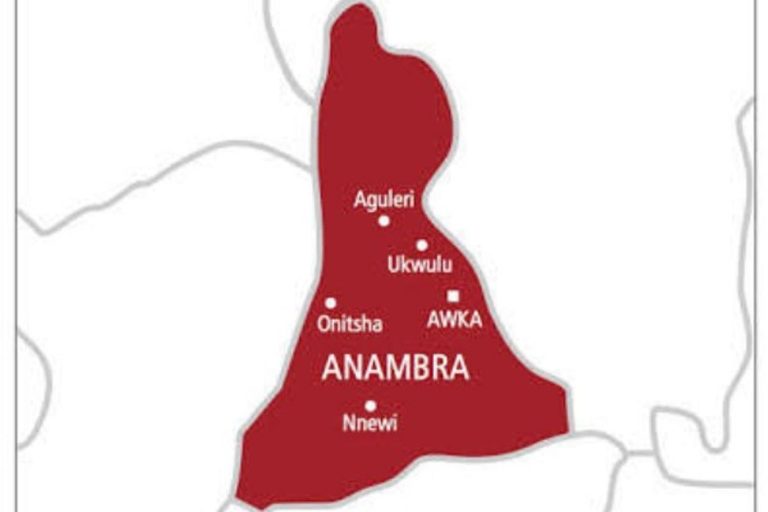
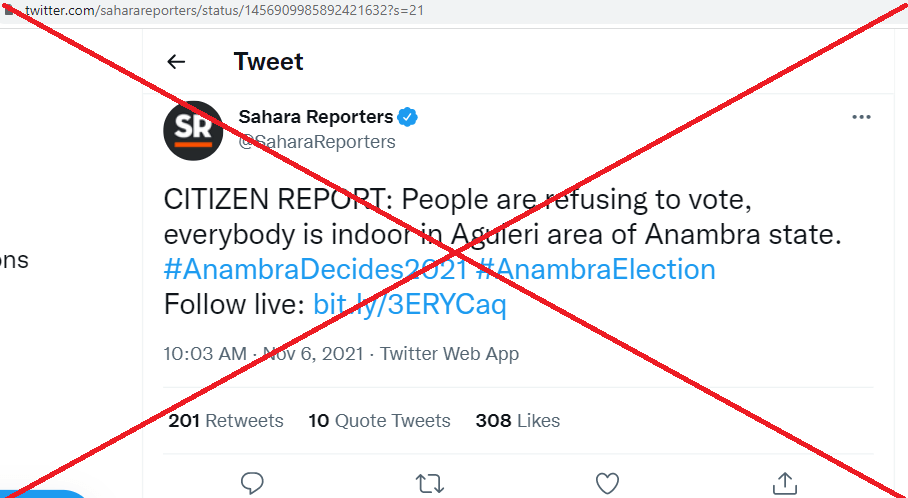
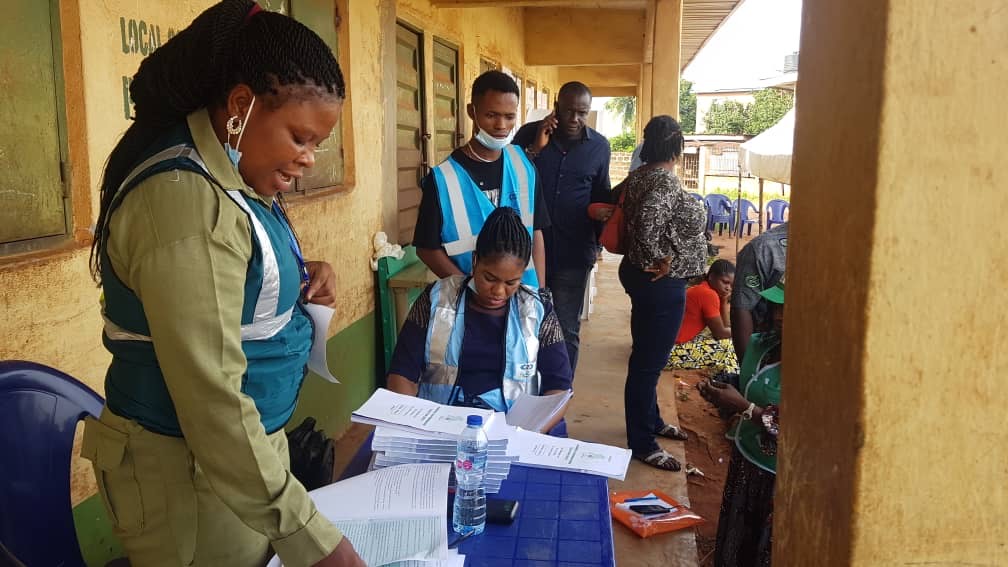
ANAMBRA state holds its governorship election on Saturday, November 6, 2021. A media house tweeted that voting is not taking place in one of its towns, Aguleri as everyone is indoor.
The tweet by Sahara Reporters archived here reads, “People are refusing to vote, everybody is indoor in Aguleri area of Anambra state.”
THE CLAIM
No voting in Aguleri, as everyone is indoor.
The claim on Twitter.
THE FINDING
Findings by the FactCheckHub show that the claim is FALSE.
Media reports indicate that the Anambra State Governor Willie Obiano and his wife were at Aguleri where they cast their votes.
The reports stated that Obiano arrived at his polling unit at around 9:28 am at Eri Primary School, Unit 004, Otuocha 1, in Aguleri where he joined the queue and eventually voted a few minutes later.
Obiano also addressed the press and spoke about voter turnout.
In addition, tweets archived here and here show that election materials arrived at some parts of Aguleri as early as 7:38am. Subsequently, voting commenced.
Presiding Officer, Linda Akudo photographed reading out the polling procedure at Unit 004, Otuocha 1, Aguleri, Anambra East. SOURCE: ICIR/PTCIJ MiNE Project.
Furthermore, a source in Aguleri confirmed to The FactCheckHub that people were outdoor, and voting was ongoing at 10:30am on Saturday.
Contrary to the tweet posted by the media platform, voting was ongoing in Aguleri and the state governor had even voted before the tweet was sent out.
CANDIDATE of the All Progressive Congress (APC) in the forthcoming November 6, governorship election in Anambra, Andy Uba, says he sponsored the Prison Reform Bill.
He made the claim while reacting to assertions by the governorship candidate of All Progressive Grand Alliance (APGA) Charles Soludo, during a live debate organised by Arise TV and Enough is Enough (EiE) group.
Soludo had accused Uba of being docile on issues relating to the Indigenous People of Biafra (IPOB) and agitations of the southeast people.
THE CLAIM
Andy Uba sponsored the Prison Reform Bill
THE FINDING
The FactCheckHub found that Uba’s claim is true.
In 2011, Andy Uba contested for the seat of Anambra South Senatorial District under the platform of the People Democratic Party (PDP).
He was later declared the winner by the Independent National Electoral Commission (INEC) after an initial legal tussle.
Aside from being a lawmaker in the 7th National Assembly, he also represented his constituent in the 8th Assembly. He was former Chairman, Senate Committee on Interior.
In August 2019, he told the media in an interview why he sponsored the bill which later changed the Nigerian Prisons Service to the Nigerian Correctional Service (NCS).
“The bill also empowers the State Comptroller of Prisons to reject additional prisoners where the prison in question is already filled to capacity.
“As the new name suggests, more emphasis will now be placed on correcting inmates through various skills acquisition programs such as tailoring, shoemaking, carpentry, computer engineering among others,” he stated in the interview.
A list of other bills sponsored and co-sponsored by the lawmaker can be found here.
The bill was later signed into law by President Muhammadu Buhari in September 2019.
THE VERDICT
Based on the available findings, Andy Uba sponsored the Prison Reform Bill. Therefore, the claim is TRUE.
A FORMER governor of Central Bank of Nigeria (CBN), Chukwuma Charles Soludo during the Anambra state gubernatorial debate said the state has the lowest unemployment and underemployment rates in Nigeria.
Soludo who is a candidate in the election slated for November 6, said “Anambra state has the lowest unemployment of any state in Nigeria at 13 per cent” and that “Anambra state has the lowest under-employment rate at 17 per cent of any state in Nigeria”.
He clarified that he was making reference to 2020 and his source is the National Bureau of Statistics (NBS).
THE CLAIMS
Anambra State has the lowest unemployment rate 13 per cent and the lowest underemployment rate at 17 per cent of any state in Nigeria.
A screenshot from the debate.
THE FINDINGS
Findings by The FactCheckHub show that the claims are misleading because Soludo made reference to an old set of data.
The data he referenced are actually from the second quarter (Q2) of 2020.
The 2020 Q2 data showed that Anambra has the lowest of unemployment rate at 13.1 per cent and also the lowest underemployment rate at 17 per cent.
Screenshot of National Bureau of Statistics document, unemployment and underemployment Q2, 2020.
After the Q2 labour statistics, the NBS released the Q4 statistics.
In the Q4 data, Anambra’s unemployment rate is 44.23 per cent while the underemployment rate is 16.48 per cent.
Furthermore, Anambra was not the lowest as Osun has 11.65 per cent unemployment rate, while Lagos has 4.52 per cent underemployment rate.
Screenshot of National Bureau of Statistics document, unemployment and underemployment Q2, 2020.
THE VERDICT
The claims made by Soludo at the debate that Anambra has the lowest unemployment rate at 13 per cent and the lowest underemployment rate at 17 per cent of any state in Nigeria are MISLEADING.
A FORMER Governor of the Central Bank of Nigeria (CBN) Charles Soludo claimed he was a three-time winner of best central bank governor award.
Soludo who is a gubernatorial candidate, made the claim during a live debate by Arise TV, ahead of the Anambra State Governorship election scheduled to hold November 6.
THE CLAIM
Charles Soludo is a three-time winner of best central bank governor award.
THE FINDING
The FactCheckHub found the claim is True.
The CBN profile of Soludo states that he was the winner of the ‘Global’ and also the ‘African Central Bank Governor’ of the Year in 2005, 2006, and 2007 by by FT- Banker; Euromoney; and Annual Meetings Daily.
“He is the winner of the ‘Global and African Central Bank Governor of the Year, in 2005, 2006 and 2007 by different international media institutions including The Banker Magazine published by the Financial Times of London,” the profile reads.
Furthermore, Central Banking, a media platform that reports the activities of different central banks also has a similar report.
The award was also published by national media here and mentioned here.
In 2006, a press statement announcing another of the award was also issued by the CBN.
Soludo also included the fete in his resume published on a national daily.
THE VERDICT:
Based on these findings, Soludo’s claim on being three times winner of the best central bank governor award is True.
ON October 21, 2020, at about 8:26 pm an online publication, Eastern Telegraph shared a controversial quote attributed to the Nigeria’s Minister of Information and Culture, Lai Mohammed.
The claim says it costs the Federal Government so much to bring the leader of the Indigenous People of Biafra (IPOB), Nnamdi Kanu to court for prosecution.
An extension of the claim was the Department of State Services (DSS) demanded over N500 million for each court session.
“The FG might need to still borrow a little more from China to prosecute this case to a logical conclusion,” the claim stressed further.
The assertion ended with the hashtag CashOutScheme, with the minister’s photograph.
False Claim on the likelihood of FG seeking loan to fund Nnamdi Kanu’s prosecution. Photo Credit: Olugbenga Adanikin, The FactCheckHub.
THE CLAIM:
That Lai Mohammed said the Federal Government might borrow from China to prosecute IPOB leader.
THE FINDING:
The FactCheckHub found the claim is False.
No less than 279 people have reacted to the claim with 265 comments and 391 shares.
“This is the comedy of the century. N500 million naira to bring Nnamdi Kanu to the court for a single court sitting! So, the Fulani government of the north (FGN) will have to borrow to prosecute him! But they can’t borrow to fix our roads, power, refineries, hospitals, schools, etc.
“Too bad for Nigeria,” Boluwaji Tosin-Chris Adegasoye commented.
Maxwell Ndabo, another social media user wondered why the FG was still holding the secessionist leader if he was costing them that much. He said “If holding his is costing you that much, why not cut the cost by setting him free then? This government is trying, by all means, to cover their traces of corruption by making us believe that everything with them has a monetary value attached to it.
These and many more comments showed that a part of the public the quotation attributed to the minister.
Lai Mohammed is Nigeria’s Information and Culture Minister. He has in the recent past shared some misleading information. As such, he has developed trust issues with some members of the public.
Nnami Kanu is the IPOB leader, and supporter of the popular demand for secession of the southeast people. He has been on the government watch list following his agitations and was eventually arrested in 2021.
But a careful look at the claim shows, the quote was an extraction from what appeared to be a speech. Nevertheless, the public event or source from which the quote was extracted was not included in the post.
The DSS is an agency of the state, annually funded through the national budget. As such, that the DSS was demanding money from the federal government to prosecute an accused person is most unlikely.
Findings also show the platform has an agenda to either push for “Restructuring or Referendum.” This is contained in the ‘about’ section.
The FactCheckHub reached out on Thursday, October 28 to the publication – Eastern Telegraph through a direct channel on its Facebook page to verify the news. It was acknowledged but no feedback as of the time of this verification.
The same message was sent to the phone number found on the website but no feedback came. The phone number was later contacted and the publisher debunked it. He categorised the quote as fake and untrue.
Though, he identified himself as Emeka, TrueCaller recognises him as Chikezie Kizito. He said most of those who post on the platform were Biafrans and they are at liberty to post anything. “Anyone who reads it will know it does not make any sense. So, it is not true. In fact, I don’t manage the page.”
However, contrary to what he said, the post in question was made by the medium and not a commenter.
The FactCheckHub queried why he does not manage the page, yet his phone number was on the report. He said he had many of the platforms. Eventually, he told The FactCheckHub the post would be taken down.
Segun Adeyemi, Special Assistant to the President (Media) in the Office of the Minister of Information and Culture also debunked the claim. He described it as false when the FactCheckHub reached out to him.
“This is fake news!”. Adeyemi responded.
THE VERDICT
Based on the findings, there is no evidence to support the claim that the federal government is seeking a Chinese loan to fund the prosecution of IPOB leader Nnamdi Kanu. Therefore the claim is FALSE.
Ray Ekpu, a veteran journalist and former Co-founder of Newswatch Magazine on Wednesday tasked journalists from the mainstream media to build capacity on fact-checking.
The skill, he said remains vital to stop the spread of fake news, especially through social media.
He gave the advice during training on Conflict-Sensitive Reporting organised by the Centre for Democracy and Development (CDD) in Abuja. The media trainer emphasized journalism is not gossip making but critical reporting backed up with evidence.
“Traditional media must provide themselves with the right capacity to do fact-checking. It is the source of their credibility as believable media.”
“Journalism is not gossiping, but fact,” Ekpu stated.
According to him, “facts are sacred. A comment is free. So, they (media) must provide themselves with the capacity to cross-check claims.”
He said unlike the popular say that when in doubt, leave out, his philosophy is when in doubt, check, and check again.
“Credible truthful information should go to the public through traditional media rather than visiting ephemeral media such as social media that just do breaking news, and nothing is breaking really. Even when there is a mistake, they do not correct it. They just continue.”
Speaking further on the need for verification, the public needed to understand the difference between genuine stories and misinformation. “And when they are considered to be fake, people will begin to withdraw their support for them.”
He said though he still relies on the traditional media, once there is breaking news on social media he takes to the regular traditional media and also visit multiple credible media organisations if a similar report was already published.
The journalist criticised the usual practice of hoarding information from the media, especially by government establishments.
“Government is doing itself major harm by not disclosing a lot of information, particularly on insecurity. How are journalists ought to know what they (military) have done at the war-front?” He queried.
“They are the one who issues press releases.”
He recalled during the Nigerian civil war, the Nigerian journalists were at the war front, covering the crisis.
Describing the profession as risky, he said the risks are enormous, as such “government must open up to provide credible information.